Advantages of Flame Spray Vs. Traditional Coating Systems
ADVANCED CORROSION
PROTECTION
Flame Sprayed Thermoplastic
Coating Technology
Protecting Infrastructure. Extending
Asset Life. Reducing Maintenance.
Corrosion is one of the greatest threats to industrial infrastructure worldwide. Pipelines, tanks, structural steel, water networks and marine assets face constant exposure to moisture, chemicals, abrasion and environmental stress.
Traditional paint systems such as epoxy primers and polyurethane topcoats have served industry for decades. However, modern infrastructure demands longer service life, greater durability and reduced
maintenance cycles.
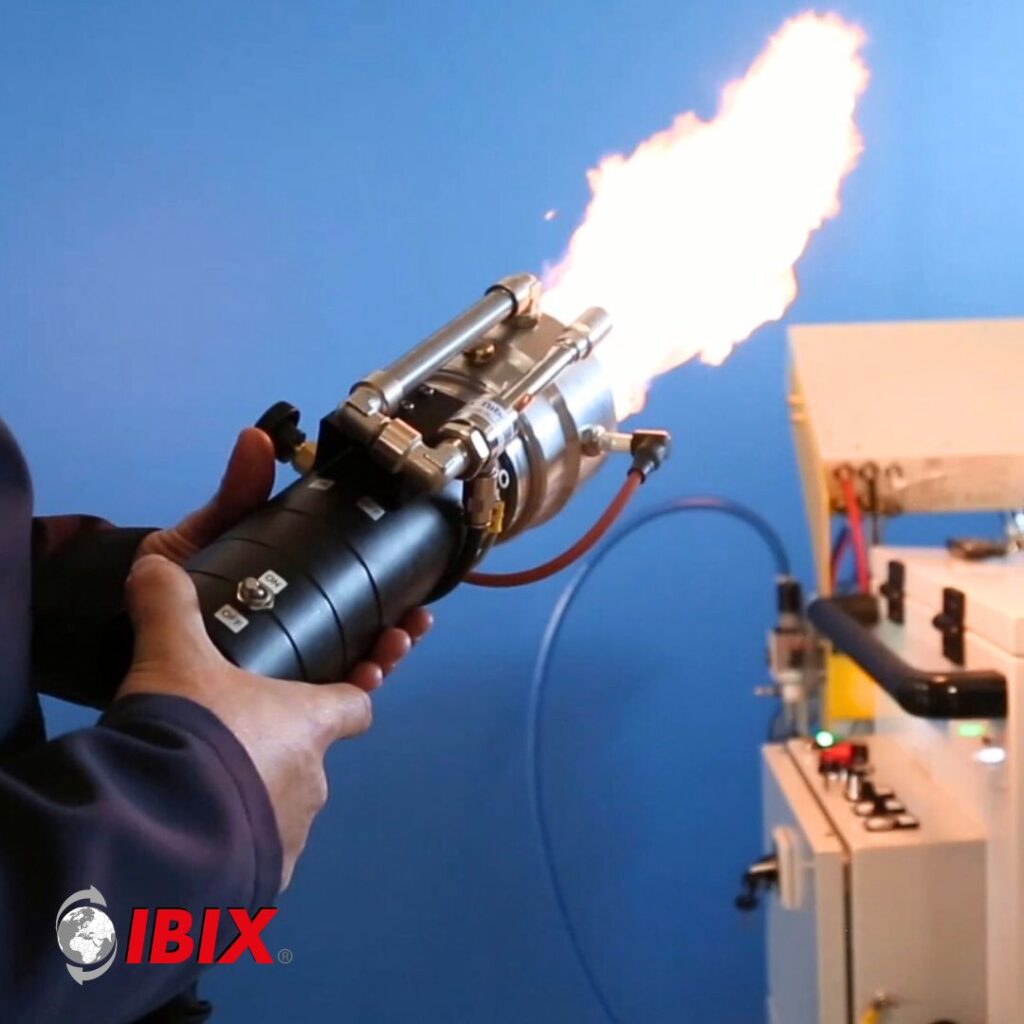
Flame sprayed thermoplastic coatings represent a major advancement in corrosion protection technology. Using thermal spray processes, thermoplastic polymers are applied directly to prepared steel surfaces, forming a thick, seamless, highly durable protective barrier that dramatically extends the service life of critical infrastructure.
WHAT IS FLAME SPRAY
THERMOPLASTIC COATING?
Flame spraying is a thermal application process in which thermoplastic polymer powder is melted in a high-temperature flame
and projected onto a prepared surface where it instantly forms a bonded coating layer. The result is a robust polymer shield
that protects steel against corrosion, abrasion and environmental attack.
Thermoplastic flame spray coatings operate on a completely different principle. They form a thick polymer armour layer, typically 500 microns to several millimetres thick, creating a continuous protective shell around the substrate. Because thermal spray processes allow significantly thicker coatings to be applied, thermoplastic systems do not merely delay corrosion, they physically shield the asset from environmental attack.
These coatings are:
• Thick and highly protective
• Seamless and impermeable
• Flexible and impact resistant
• Chemically resistant
• Long-lasting
Unlike conventional paint systems, thermoplastic coatings create a durable structural polymer layer that physically shields infrastructure from
corrosion and mechanical damage.
A FUNDAMENTALLY DIFFERENT PROTECTION PHILOSOPHY Barrier Coating vs Structural Polymer Protection
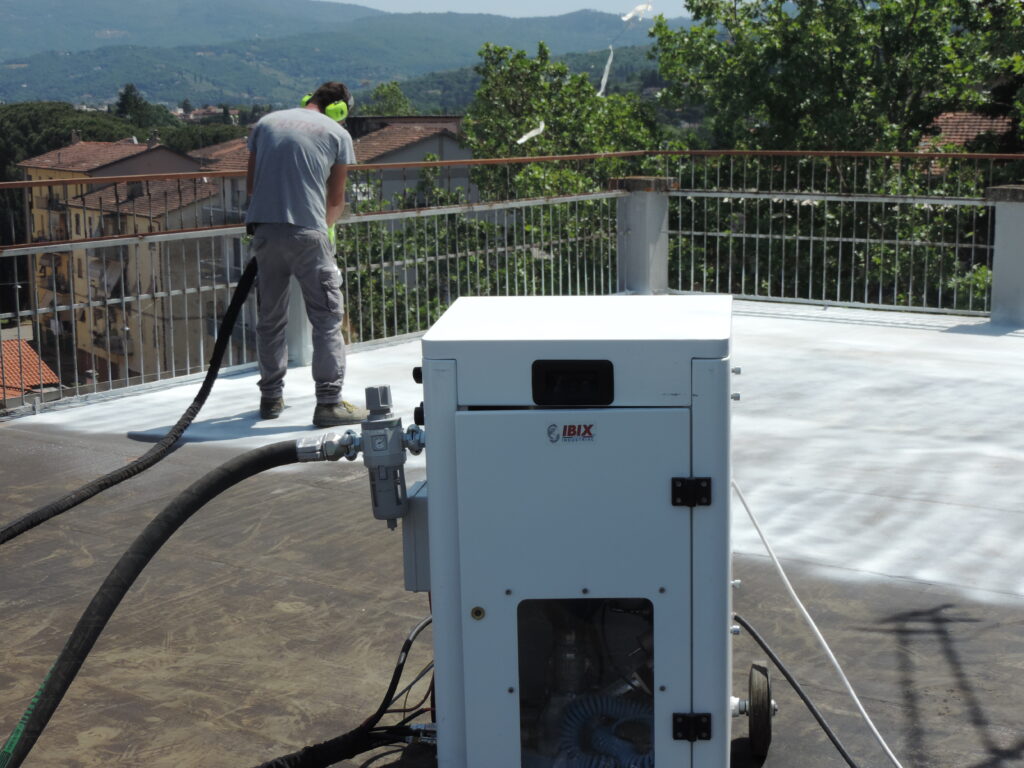
Traditional coating systems such as epoxy and polyurethane function as thin barrier films designed to isolate steel from moisture and oxygen. These coatings typically range between 150–400 microns in total thickness.
EXCEPTIONAL MECHANICAL DURABILITY
Traditional epoxy coatings are rigid thermoset polymers that gradually become brittle with age. They can crack when exposed to:
• Impact
• Thermal expansion
• Ground movement
• Vibration
• Abrasion
Once cracking occurs, corrosion can begin beneath the coating. Thermoplastic coatings behave differently.
Because thermoplastics retain their flexibility, they provide:
• High impact resistance
• Excellent abrasion resistance
• Ability to absorb structural
movement
• Protection in high-traffic
environments
This flexibility significantly increases coating longevity in infrastructure exposed to vibration, ground settlement or mechanical abuse.
SUPERIOR CORROSION PROTECTION
One of the greatest threats to steel infrastructure is the permeation of water, salts and oxygen through coating films. Traditional epoxy systems rely on tightly cross-linked polymer structures to reduce permeability. While effective initially, these coatings inevitably develop micro-defects, cracking or permeability over time due to:
• UV exposure
• mechanical stress
• substrate movement
• environmental ageing
Flame sprayed thermoplastic coatings
overcome this limitation by creating:
• Thick continuous polymer layers
• Seamless moisture barriers
• Dielectric insulation that prevents
electrochemical corrosion
These coatings effectively block moisture and prevent rust formation, delivering long-term corrosion resistance even in harsh environment such as marine, wastewater or buried pipeline systems.
Thicker Impermeable Thermo Plastic Protection
Thermoplastic coatings can be applied far thicker than traditional paint systems.
Typical Coating Thickness Comparison
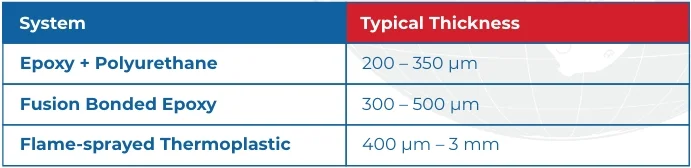
This increased coating mass provides:
• Superior abrasion resistance
• Improved impact resistance
• Enhanced environmental protection
• Longer service life
For asset owners, thicker polymer protection directly translates into longer
infrastructure lifespan.